Building Baltimore Together: How Cross Street Partners and Reinvestment Fund Turn Vision into Community Impact
In Baltimore, transformation doesn’t happen all at once. It happens block by block, building by building, and partnership by partnership. For more than 50 years, Bill Struever and his team at Cross Street Partners have worked with that belief, focusing on neighborhoods as the foundation for lasting change. “We’ve always believed it’s about creating place and community,” Struever says. That idea has shaped his work since arriving in Baltimore in the 1970s.
What began with the renovation of a single home in Federal Hill grew into a broader vision rooted in the idea that thriving neighborhoods require more than physical redevelopment. Housing is one piece of the puzzle. Retail, small businesses, public spaces, and community institutions also help create places where people can live, work, and connect. That belief has remained constant even as the scale of Cross Street’s work has expanded.
Over time, their impact has spread across Baltimore. Their projects have helped stabilize neighborhoods, revive commercial corridors, and create space for entrepreneurs and community-serving organizations. As Struever notes, it is difficult to be anywhere in the city without being within a few blocks of something they have helped bring to life. Still, the real measure of success goes beyond the buildings themselves. It shows up in the jobs created, the services offered, and the opportunities that take root in those spaces.
This approach is grounded in a simple idea. Physical development and social impact are most effective when they move together. At the Hoen Lithograph building in East Baltimore, a long-vacant industrial site that once drove its community’s housing vacancy crisis is now a hub for workforce training, education, and community services. Apprenticeship programs, nonprofits, and university partnerships operate side by side, creating pathways to careers and long-term economic mobility. The surrounding neighborhood has also seen increased stability and growing rates of homeownership.
Delivering this kind of impact is complex. In many of the neighborhoods where Cross Street works, there is no established market to rely on. Financing requires multiple layers of public and private capital. These projects often require dozens of funding sources to come together, reflecting the realities of investing in underserved communities. In this environment, partnerships are essential to getting projects off the ground and seeing them through.
“Unless you have great partners like Reinvestment Fund, you just can’t do it.”
Bill Struever, Principal, Managing Partner, CEO, Cross Street Partners
That reality has shaped how Cross Street Partners has evolved. In addition to developing its own projects, the organization has expanded its role as a strategic advisor to community-based organizations. Today, Cross Street works alongside nonprofits, institutions, and mission-driven sponsors to help bring complex projects to life, offering expertise in development, financing, construction, and long-term asset strategy. This approach gives community organizations access to technical expertise while allowing them to stay grounded in their mission and leadership.
For more than 25 years, Reinvestment Fund has been one of Cross Street’s essential partners in this work. As a national community development financial institution, it brings flexible capital, structuring expertise, and a long-term commitment to revitalizing Baltimore’s neighborhoods. Rather than leading projects directly, Reinvestment Fund focuses on supporting trusted local developers and advisors like Cross Street Partners. “Unless you have great partners like Reinvestment Fund, you just can’t do it,” Struever says.
This partner-first approach has enabled meaningful impact across the City. Since 2013, Reinvestment Fund has deployed more than $259 million in Baltimore, supporting over 1,400 housing units, more than 6,000 educational seats, and reaching over 116,000 people. These numbers reflect years of collaboration with local partners who turn investment into tangible community outcomes.
The redevelopment of the historic Crown Cork and Seal campus illustrates this collaboration. Once an underutilized industrial site, the 19-acre property is being repositioned as a mixed-use destination that will evolve to include housing, retail, and employment opportunities. Developed by Cross Street Partners in partnership with Shift Capital, the project is expanding artist studios and strengthening Baltimore’s creative economy while laying the foundation for long-term growth. Reinvestment Fund’s participation helped make the project possible.
What distinguishes this partnership is not only the ability to structure complex deals, but also the willingness to stay engaged through uncertainty. Community development projects rarely follow a straight path. Market conditions shift, funding sources change, and timelines extend. During those moments, steady partnership and flexibility help keep projects moving forward. Struever describes Reinvestment Fund as a partner that works collaboratively to navigate challenges and maintain momentum.
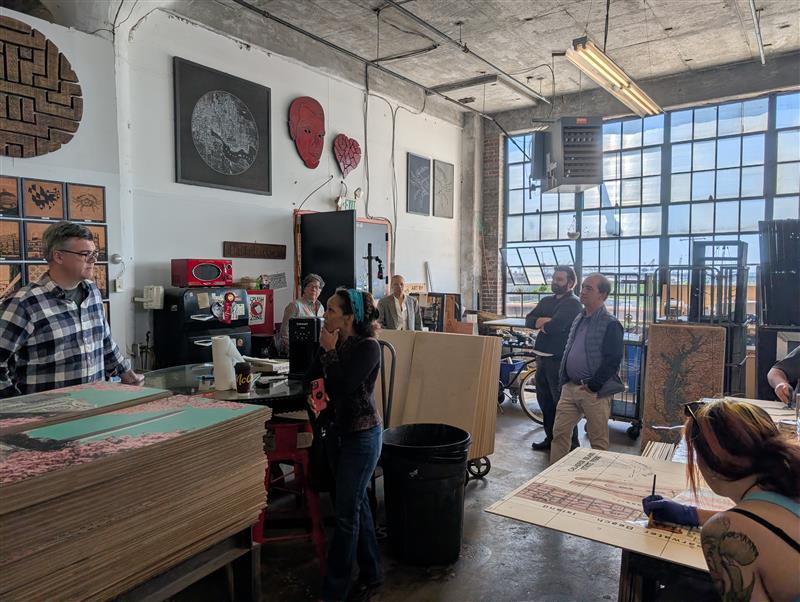
The Crown Cork & Seal houses more than 140 creative businesses after being redeveloped with Reinvestment Fund’s support.
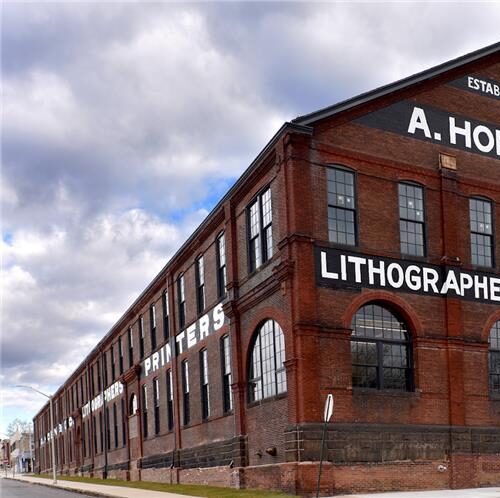
Cross Street Partners and City Life Historic Properties repurposed the 85,000 square foot historic Hoen & Co buildings as a lively mixed-use campus.
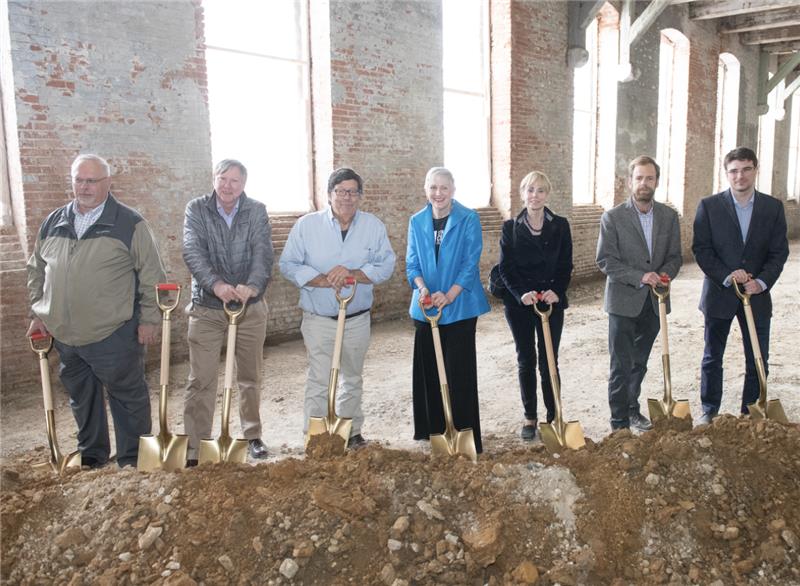
Groudbreaking at the historic Hoen & Co building.
Today, both organizations are focused on expanding opportunity in neighborhoods that have historically faced disinvestment. For Cross Street, that includes deepening its advisory work with nonprofit and community-based partners, helping them access capital, structure projects, and deliver long-term impact. For Reinvestment Fund, it means continuing to bring national capital and expertise to support locally driven development.
Together, they show what it means to align vision with capital. Cross Street Partners brings deep local knowledge, execution capability, and advisory expertise. Reinvestment Fund brings the resources and flexibility to help turn that vision into reality. Their partnership is defined by a shared, ongoing commitment to the communities they serve.
Baltimore’s story is still unfolding. Partnerships like this are helping shape what comes next, one neighborhood at a time.