How Catalytic Capital is Reimagining Morganton’s Industrial Legacy
Morganton, North Carolina, is a mix of industrial grit and natural beauty. For over a century, the town’s heartbeat was centered on the Catawba River and the factories along its banks. When the Drexel Heritage furniture facilities and other textile factories closed in the early 2000s, it was not only an economic blow to the community but also a loss of identity. The abandoned 30-acre site became an eyesore and a daily reminder of that lost era.
“There are so many people in our community who spent their careers there and built a life there; seeing that site fall into such disarray was a tough reminder of the opportunities lost over time—an emotional scar as well as a physical one,” laments Erin Kizer, Senior Director of Infrastructure at The Industrial Commons (TIC).
The concept of TIC grew from the vision of its founders Molly Hemstreet and Sara Chester, who first started a factory network to connect small mills and independent sewers, called the Carolina Textile District. TIC was later formed, composed of a network of enterprises arranged into fields (Network Development, Workforce Development, Business Development, Community Engagement, and Capital and Infrastructure).
Today TIC serves as a nonprofit umbrella for a growing ecosystem that supports a circular economy and stewardship, or a model that changes the “textile sector from just pumping out goods to collecting products and goods at the end of their life cycle,” explains Kizer. TIC doesn’t just provide jobs; it provides a pathway to ownership and stability. TIC’s Workforce Development field combines skilled training and workforce readiness programs focused on preparing the next generation of workforce participants. Young adult internship programs have already helped reduce the rate of underemployed 18-24 year-olds in the area by 4.6% since 2022.
I really appreciated Reinvestment Fund’s care and respect. They really tried to understand our ecosystem and all the work we do. It wasn’t just a generic form; it was reflective of our community’s experience.
Erin Kizer, Senior Director of Infrastructure at The Industrial Commons
As the concept grew, so did the need for more space. TIC turned its attention to the abandoned Drexel Heritage site. While there was widespread local interest in redeveloping the land, the cost of “brownfield” remediation, or cleaning up environmental contamination from decades of heavy industry, had always been high. Most traditional developers want a clean site to turn a quick profit but TIC was willing to spend time and effort to make the math work.
The plan involves transforming the land into a $41.6 million multi-site community development initiative with an Innovation Campus that includes the rehabilitation of the Hopewell Road Facility and the ground-up construction of the Accelerator, the first phase of TIC’s Innovation Campus. The Hopewell Road Facility supports the expansion of TIC’s employee-owned enterprises and provides incubation space for sustainable textile businesses focused on circularity. The Accelerator will anchor their regional workforce strategy that combines manufacturing space with certified training programs, like industrial sewing, through a partnership with Western Piedmont Community College. These programs prepare residents for skilled manufacturing jobs paying family-sustaining wages while strengthening the local talent pipeline for employers committed to ethical production. This project isn’t just bringing manufacturing back, it is doing so through a model of locally rooted, employee-owned wealth.
“We are excited about the opportunity to reimagine the area into something new that honors the legacy of Morganton. For us it’s about stewardship. It ensures the wealth we create here stays here for the long term,” adds Kizer.
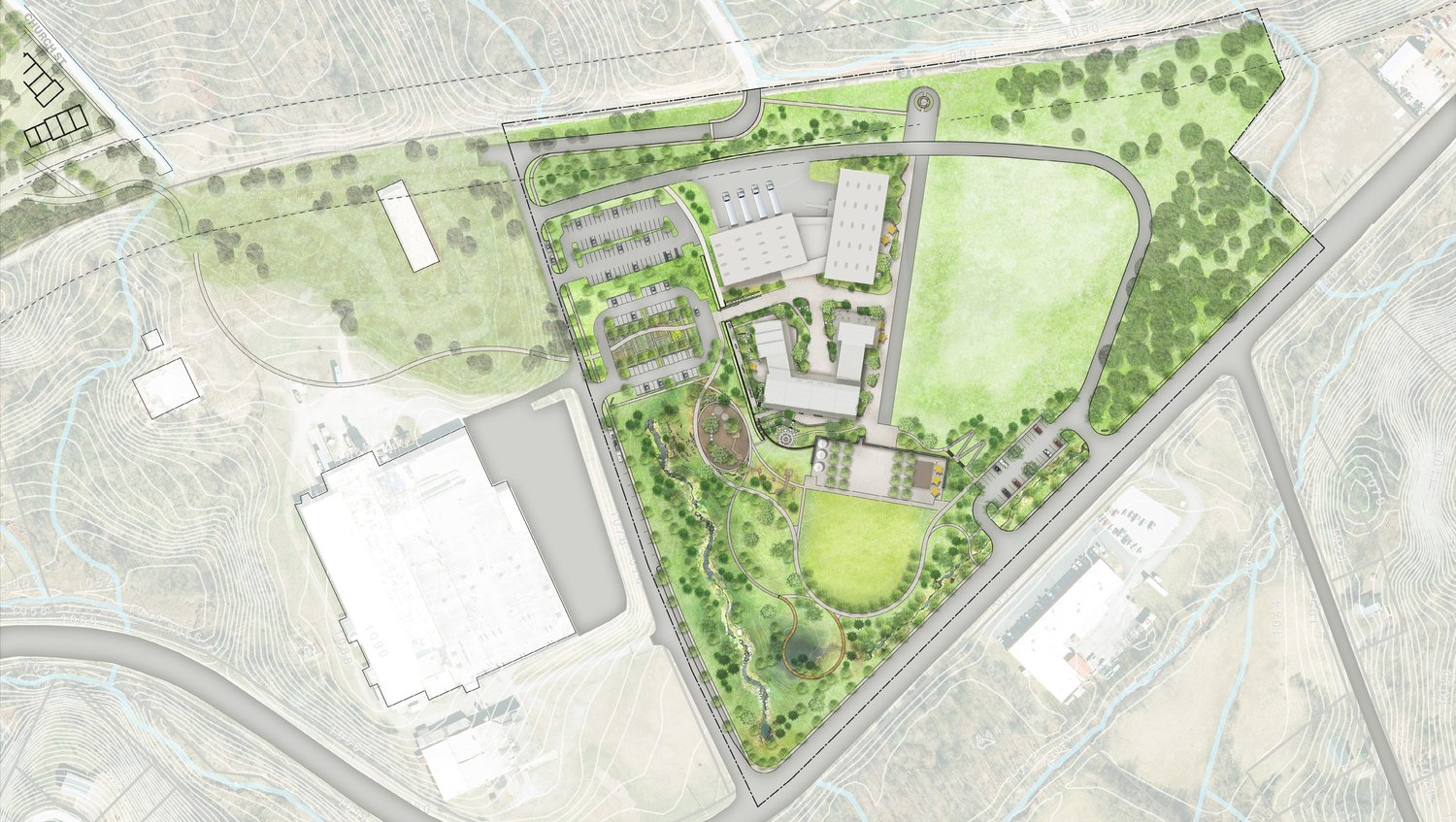
The 30-acre former Drexel Heritage site reimagined as a multi-site community development initiative anchoring TIC’s regional workforce strategy.
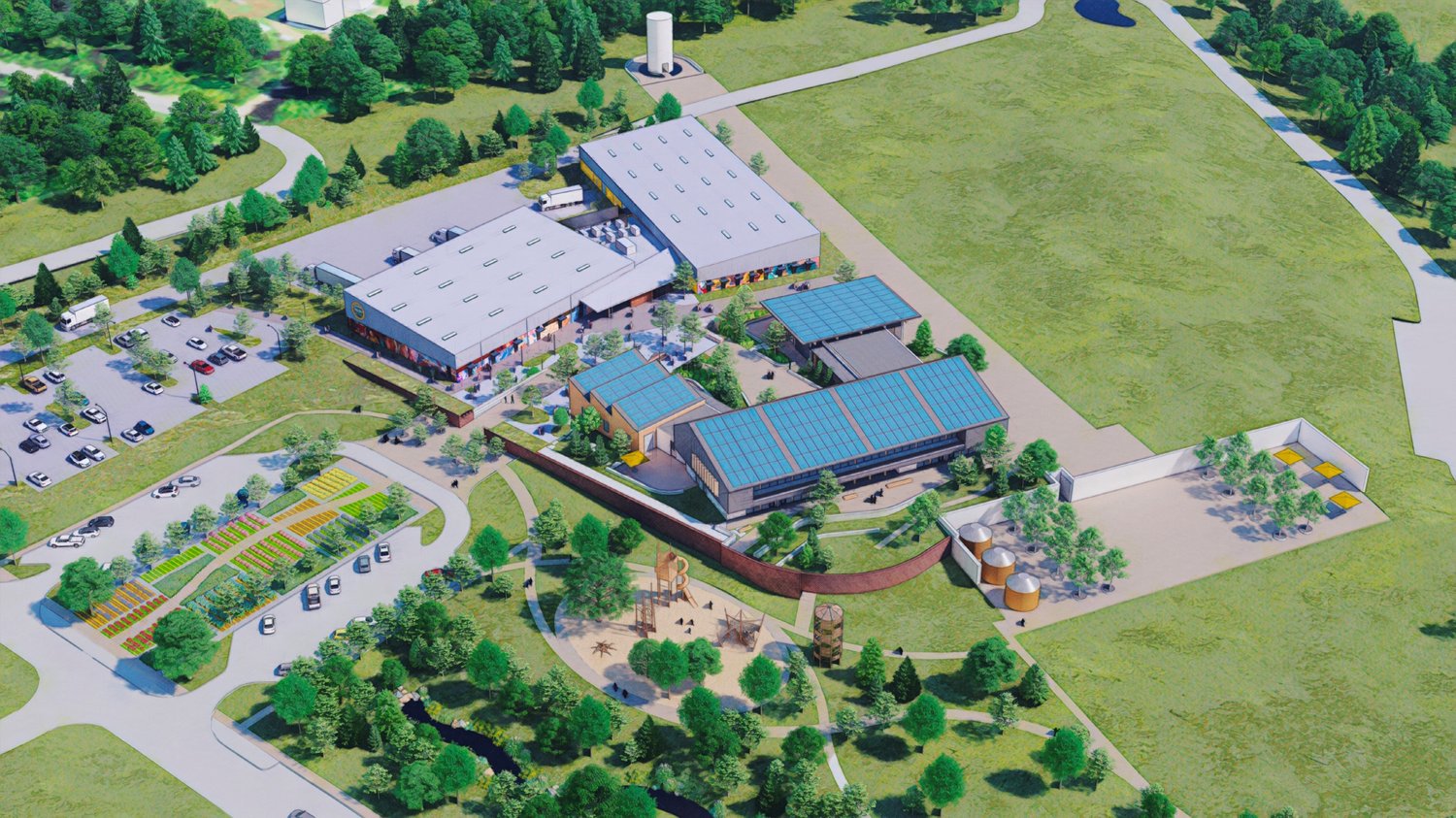
Together, the Hopewell Road Facility and the Accelerator form an Innovation Campus designed to support employee-owned enterprises and sustainable textile businesses focused on circularity.
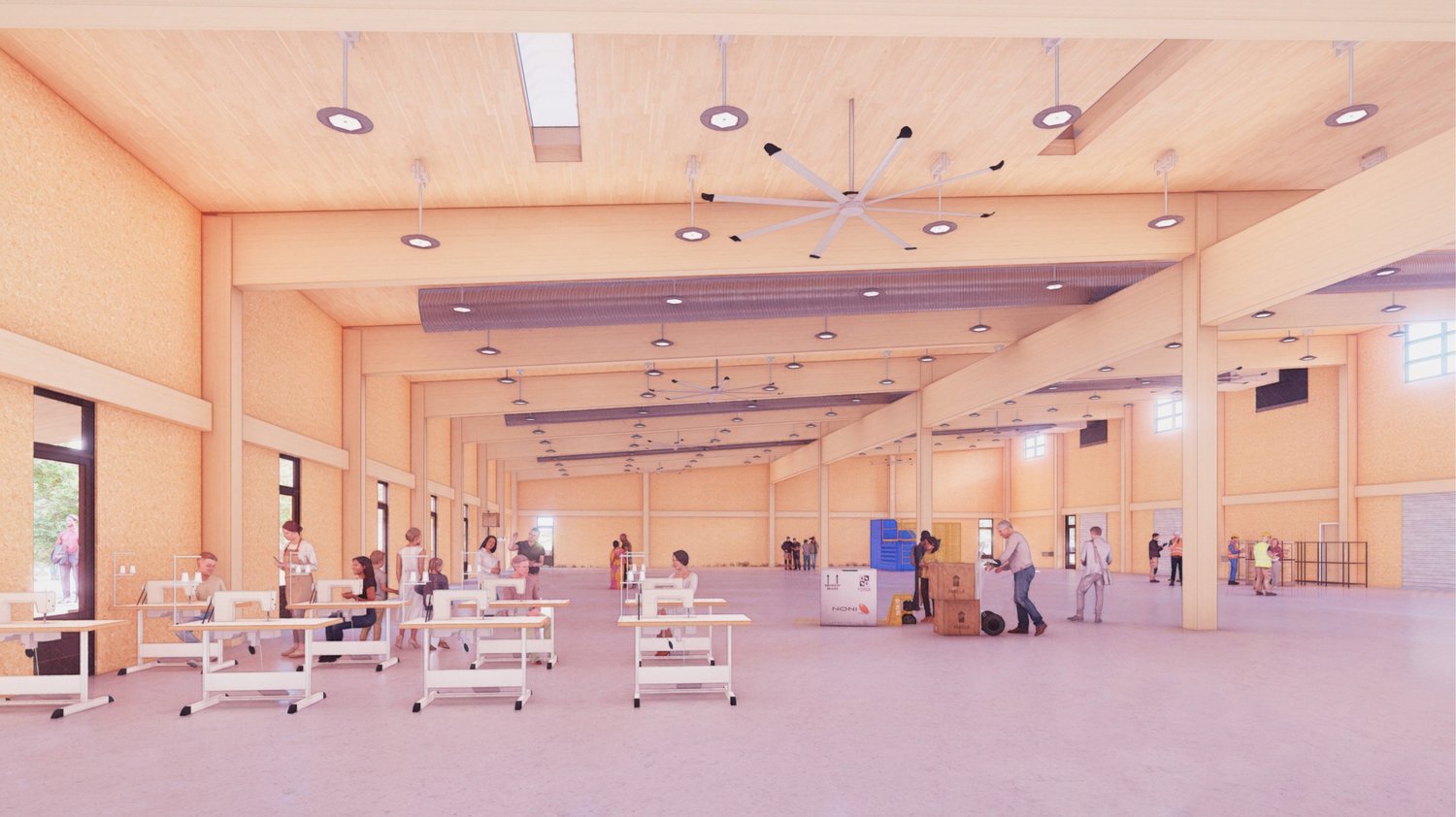
Inside the Accelerator’s manufacturing space, where certified training programs—including industrial sewing through a partnership with Western Piedmont Community College—will prepare residents for skilled manufacturing jobs paying family-sustaining wages.
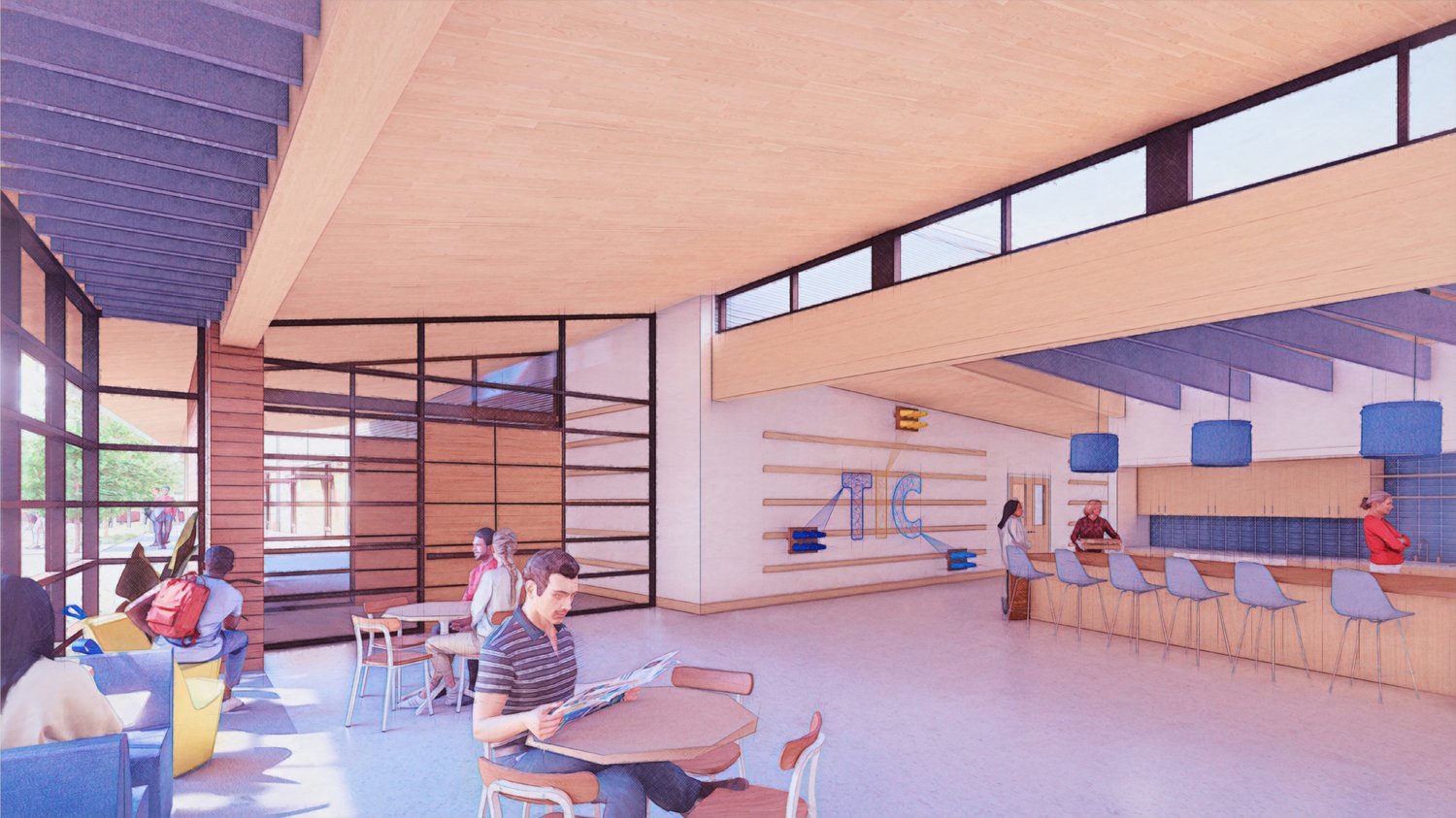
The Accelerator’s lobby, a gathering space designed to welcome workers, trainees, and the broader Morganton community.
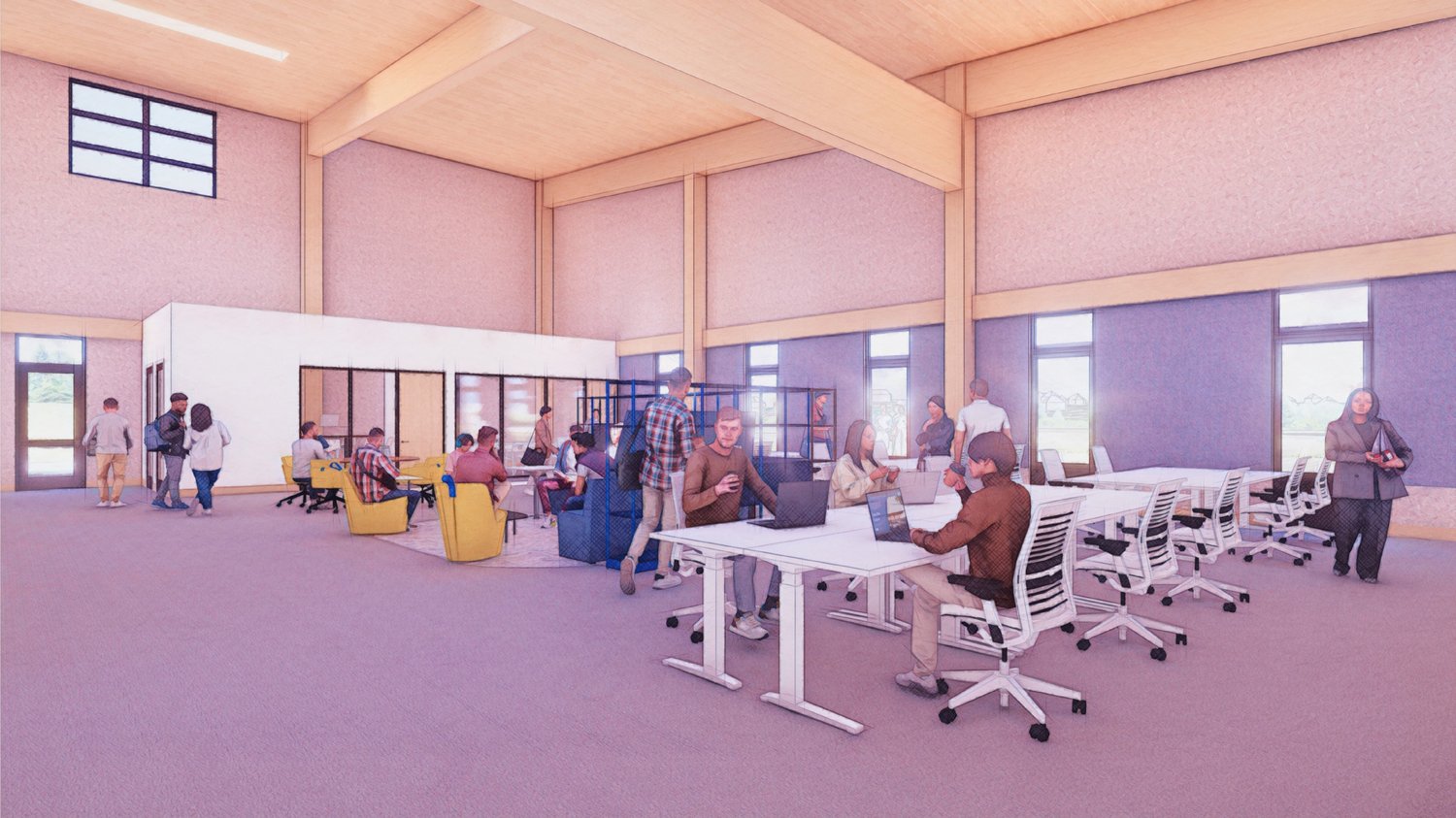
Flexible office and co-working space supporting TIC’s network of enterprises across business development, workforce development, and community engagement.
The project was made possible through the New Markets Tax Credit (NMTC) program—a federal initiative that drives investment into communities where capital markets have underinvested. By bridging the gap between what a project costs and what traditional lenders are willing to finance, NMTC plays a critical role in bringing high-impact community developments to life. Reinvestment Fund contributed a $7.5 million NMTC allocation, alongside other NMTC partners, providing the essential capital needed to move the project forward.
Through this partnership between TIC and Reinvestment Fund, a site once defined by industrial decline is being reimagined as a model for rural resilience—demonstrating how innovative financing can catalyze community wealth and long-term economic opportunity.
For Kizer and her team, Reinvestment Fund was more than a lender; they were a partner that understood the operating spirit of TIC.
“I really appreciated Reinvestment Fund’s care and respect. They really tried to understand our ecosystem and all the work we do. It wasn’t just a generic form; it was reflective of our community’s experience,” explains Kizer
By absorbing risks that conventional financing wouldn’t—prioritizing community benefits and workforce training over quick returns—Reinvestment Fund provided the catalytic capital necessary to bridge large-scale grants with long-term execution. The human impact of this reinvestment is most visible in the generational shift of the workforce. Kizer shares stories of community members who spent their careers at the old Drexel facility returning to the site to see it reborn.
“There are folks on our team whose parents and grandparents worked at that facility. There’s this really beautiful generational evolution of what manufacturing can be—greener, more responsive to workers, and honoring our legacy,” says Kizer.
Ultimately, the goal of this capital is not just to build buildings, but to ensure that the wealth generated in Morganton stays in Morganton. As Kizer puts it, “The goal here is not necessarily for all of us to become excessively wealthy. It is to have a long-term stability in our community for a really, really long time.”